

The Truth Breaks Before It Builds
Somewhere right now
A newborn is crying. She has been on earth for maybe a minute... She is not in a hospital. She is in a shack with a tarp roof. Flies are crawling on her skin. Her mother died giving birth, alone, bleeding out on a stained sheet.
Her tiny lungs scream for help. Hours have passed. But no one is coming. She is cold. She is hungry. A few more hours pass. She is going to die.
There will be no funeral. No photo. No memory. She did not have a chance. She did not have a choice. She slowly vanished from this world without anyone knowing she existed.
But the pain is necessary. The pain cuts through the noise and the comfort of pretending that everything is fine.
Families are faced with choices no one should have to make—should they spend their last savings on food, or on medical care for a sick child? Should they send their child to work, or keep them home because they can not afford the school fees? These are not hypothetical choices. They are real decisions, faced every day.
These are drawn from real reports, NGO interviews, eyewitness accounts, verified humanitarian reports, field notes, and real interviews. Stories of innocent children whose worlds collapsed.
Affected by war, disaster, and displacement across the world. The names are changed, but the voices, the gestures, and the small things they held onto are real.
These are not stories meant to entertain. They are stories meant to remember.
Afghanistan, 2022
Twelve-year-old Farida has not been to school in years. When a visiting aid worker handed her a pencil, she kissed it before taking it. “I will keep it,” she said, “for when girls are allowed to write again.”
Haiti, 2021
After the earthquake, a six-year-old girl was found wearing a bracelet made of dry bread, strung together with wire.
She told the aid worker, “My mama said if I wear food, maybe I will not feel hungry.”
Syria, 2017
In a refugee camp near Idlib, a boy named Khaled kept an orange on his bed. It was the last fruit his father had given him before disappearing at a checkpoint. He did not eat it. Every day, he just smelled it, like home. Months later, the orange shriveled, its skin brown and thin. When aid workers came, they offered him new fruit, but he refused. “This one,” he said softly, “still has his smell.”
Ukraine, 2022
In Bucha, a nine-year-old boy named Danylo wrote a letter to his father, who had stayed behind to fight. He placed it in a jar and buried it behind their apartment building. The letter read: “I am taking care of Mom. I washed the dishes. I did not cry when the sirens came. Please win fast.” When his father returned months later everyone was gone. The village had been raided. He dug up the jar and opened it. The paper had molded, the words blurred. His father kissed it. He said he will never let it go.
Gaza, 2023
A mother carried a pair of pink shoes in her bag as she fled from the rubble. They were her daughter’s, size 28, with small cartoon hearts on the toes. When asked by a volunteer if her daughter was safe, she did not answer. She only said, “She will need them when she wakes up.”
Sudan, 2023
In Khartoum, a little girl named Salma carried the head of a broken doll everywhere she went. The rest had been lost when their house burned. When a journalist asked her why she did not throw it away, she said, “She is not broken. She is just tired. Like me.”
Yemen, 2020
At a nutrition clinic in Sana’a, a nurse noticed a red thread tied around a baby’s wrist. The mother said it was from her daughter who died the year before. “She made it for her baby brother,” she whispered. “So he will know someone is waiting for him.”
Ukraine, 2022
When Russian shells fell near Kharkiv, five-year-old Oksana hid under her grandmother’s blanket. The one with red flowers and a stitched border. She said it made her feel invisible. When rescuers found her later, the blanket was still wrapped tightly around her. The pattern was burned, the colors faded, but one flower remained untouched. Her grandmother keeps it now, folded on a chair, never washed. “She was warm,” she says quietly. “That is what matters. She was warm.”
Haiti, 2021
After the earthquake, ten year old Marise searched through the rubble of her school until she found the bell that used to ring for lunch. It was bent, silent, the handle broken. She held it tight and whispered, “If I can just get it to ring again, maybe everyone will come back.”
South Sudan, 2020
By the flooded Nile, a boy named Luka built a small boat from empty plastic bottles. He set it on the water and pushed it away. “It is going to find my brother,” he said. His brother had drowned two months earlier while crossing to higher ground. Luka came back every day to watch the river. Waiting for the boat to return.
Afghanistan, 2020
Nazia used to draw stars on the walls of her home. One for every dream she had. She wanted to be a pilot, to fly above the mountains. When her school was closed and her books taken away, she kept drawing. Stars on stones, stars on scraps of cardboard, stars on her hands. A journalist found one of her drawings later. A child’s handwriting scrawled under a paper sky: “If I can not go to the sky, maybe the sky will come to me.”
Gaza, 2024
When the bomb fell near the school, twelve year old Mariam’s backpack was found outside the gates, covered in ash. Inside were her math notebook, a pen with no cap, and a folded paper heart. Her older brother found it days later when it was safe to go back. On the paper heart, she had written: “If I ever get scared, I will close my eyes and pretend the sky is blue again.” He kept that note in his pocket when he left for the border.
Gaza, 2014
A teenage boy kept a photograph of his entire class. Twenty smiling faces in front of their school. When the Taliban took over and the school closed, he carried that photo across the border to Pakistan. Half the faces had been crossed out with a pencil. When asked why, he said, “Those are the ones who did not make it.”
Afghanistan, 2021
During a power outage that lasted weeks, twelve year old Omar used the last candle in the house to finish his homework. His mother told him to save it — they needed light for the night. He said. “Please mama. If I do not finish today, the teacher might not be alive tomorrow.”
Myanmar, 2021
When the Rohingya villages were burned, six year old Rahim carried a bird feather in his pocket. He said it came from the last chicken that survived their yard. When aid workers found him in the camp, he showed them the feather and said, “This one remembers our house.”
Gaza, 2024
In a shelter, a little girl named Reem kept an empty bread bag under her pillow. Her mother told her to throw it away. Reem shook her head. “When it smells like bread again that means we can go home.”
Turkey-Syria border, 2022
Two siblings built a fort out of aid blankets behind their family’s tent. They invited other children in and called it “the hotel.” Inside, they served imaginary tea and said everyone who entered had to smile. For a few minutes, laughter came from the blankets.
Congo, 2019
In a displacement camp near Goma, a boy named David wore the same torn soccer jersey every day. It had his brother’s name on the back. The brother who never made it out of their village. The letters were fading, but David traced them with his finger each morning before going to fetch water. “He still plays,” he said quietly. “I am just carrying his shirt.”
Meet Pretti, age 5

Pretti was an only child. She was only five, but her dreams were already as big as the sky. In a dusty village where laughter was rare, Pretti was like a beacon of hope. She loved to play doctor, wrapping her dolls in old bandages and pretending to heal them with care, the same kind she had heard about in the stories her mother told her.
But the world was hard, and hope was even harder to come by. Pretti came from a poor family. Her father had rough hands from nonstop days in the fields, and her mother was so sick she could barely move. They lived in a tiny, crumbling house with a leaking roof, and food was never guaranteed.
Despite this, Pretti remained unbroken in spirit. She wanted to become a doctor so she could heal her mother and heal people who had no one else to turn to.
Then, one day, Pretti woke up with a fever. It started small, just a cough and a mild headache, but her body grew weaker by the minute. Her parents tried everything they could think of and everything they could not afford: old folk remedies and herbs from the local market. But the fever raged on.
In the middle of the night, Pretti’s mother, who could barely move, used all of her remaining energy to wrap Pretti in a blanket and whisper promises of better days ahead. But Pretti’s small hands were already cold. Her parents, desperate, ran to the village doctor. He was miles away, and they had no money for a ride. They could only watch as their little girl, pale and trembling, clung to life with every breath.
By the time they reached the doctor, it was too late. Pretti had already passed away.
The village was silent for days. Her mother could not stop crying. She cried until her body gave out and she passed away as well. Her father could not find the strength to speak. They did not just lose their only child. They lost a mother, and they lost the future they had dreamed of, the one they were building with every sacrifice and every whispered prayer for a better life.
It breaks my heart because they COULD HAVE SAVED HER. But... they did not have the resources. They did not have the access. This is the epitome of cruelty. Let your soul break for Pretti.
THE SHOES
His shoes no longer fit. He does not say anything because his mother already has enough to worry about. He simply walks more slowly, his toes pressing against the torn fabric and the rocks cutting through the worn-out soles.
The school is far away. Every step hurts, yet he continues walking because he wants to become a doctor one day. He wants to fix things: people, homes, the world, everything that has been broken.
He studies by candlelight at night, the flame flickering and the pages trembling in his hands. Sometimes hunger blurs the words on the paper, but he never lets go of the book.
THE BREAD
She used to bake bread every morning before school. The smell filled the small kitchen, and her little brother would laugh when she sprinkled flour on his nose. Then the drought came. The river dried up first, and then the crops. Now she still wakes up early, but the oven is cold. Her brother asks for bread, and she tells him stories instead, stories about a time when the house smelled like warmth and not like dust. When he sleeps, she cries quietly into her empty hands, remembering the sound and the smell of bread breaking.
THE BLANKET
The bombs came at night. She does not remember the noise, only the cold afterward. Her mother wrapped her in a blanket and ran, but the smoke was too thick. Now, in the refugee camp, that same blanket is all she has left. It smells of ash and memories. She sits beneath it as rain leaks through the tent roof, watching other children play with plastic bottles and string. When we ask where she is from, she points to the sky.
“From there. Everyone is waiting for me to come home,” she says.
Because her home and her family are gone.
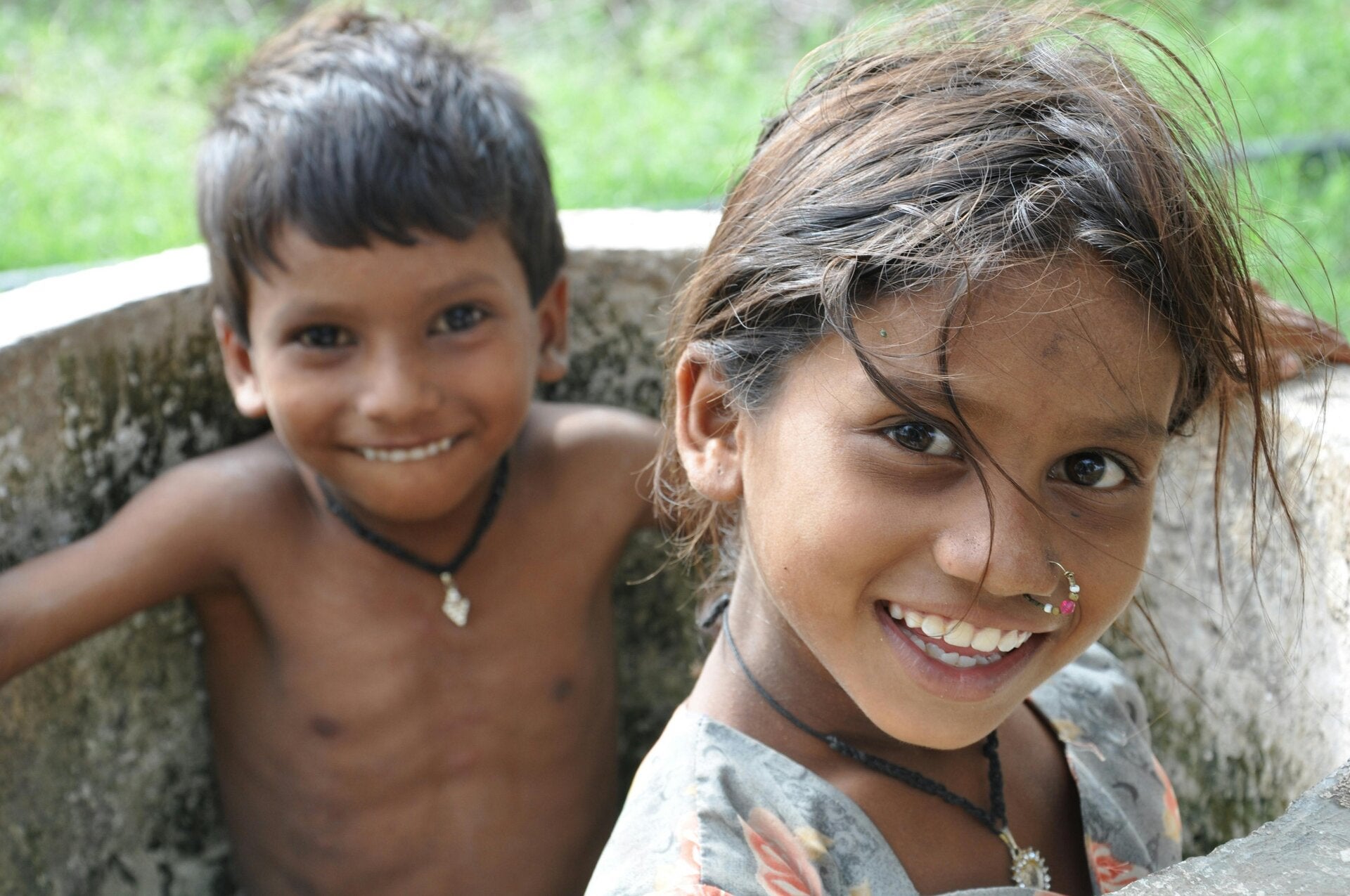
Meet Tarek, age 8
Tarek lives in a war-torn village in Syria. When an airstrike hit their neighborhood, his house collapsed. His older sister Fari was crushed in the rubble. There were no emergency workers. No ambulances. So Tarek dug with his hands. He clawed at the rubble until his fingers bled. He uncovered her body and carried her out himself. Then, with help from a neighbor, he dug her grave with a broken piece of metal roofing. He placed a scarf over her face. He did not cry. When someone asked him if he was okay, he simply said, “She was scared of the dark. I did not want her to be alone for too long.”
He is 8. He should be playing soccer. Not digging graves.

Meet Daniele, age 10
Daniele used to run. He loved racing the goats outside his village. Now he cannot stand. His body is so thin that you can count every rib through his skin. His stomach is bloated, not from food, but from starvation. His hair is falling out. His eyes are sunken and glassy. He whispers, “I am tired,” but he is not talking about a nap. He means life itself. His mother has not eaten in days so that he could have half a bowl of grain. She watches him fade, every breath a question mark. She says, “I just want one more day with him smiling.”
We could have saved Daniele for the cost of a pizza. But help did not come in time.
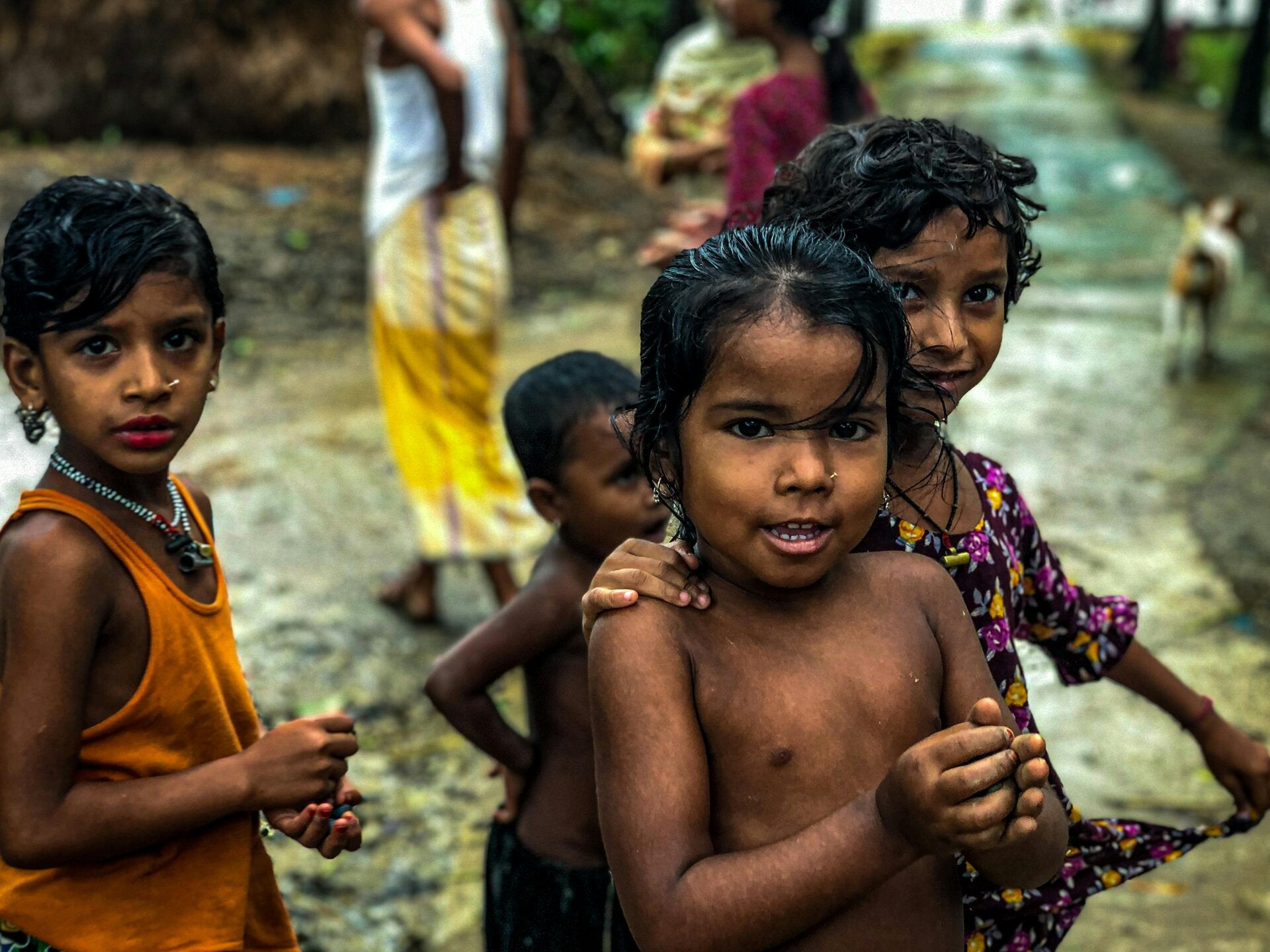
Meet Samoya, age 4
Samoya was holding her father’s hand when armed guards rushed the group of migrants trying to cross the border. In the chaos, her father was beaten and detained. Samira was separated, alone, crying, barefoot, still holding her little stuffed rabbit. She was taken to a child detention facility with hundreds of other children and placed in a cage with no mattress, no blanket, only a sheet of aluminum foil for warmth. She kept asking, “Where is my baba? Did he go to get me food?” No one told her that he had been deported. No one told her that she would never see him again. Samira stopped talking after a week. She just sat in the corner, rocking, her tiny fingers clutched around that rabbit.
She was five years old, and she already knew what abandonment felt like.
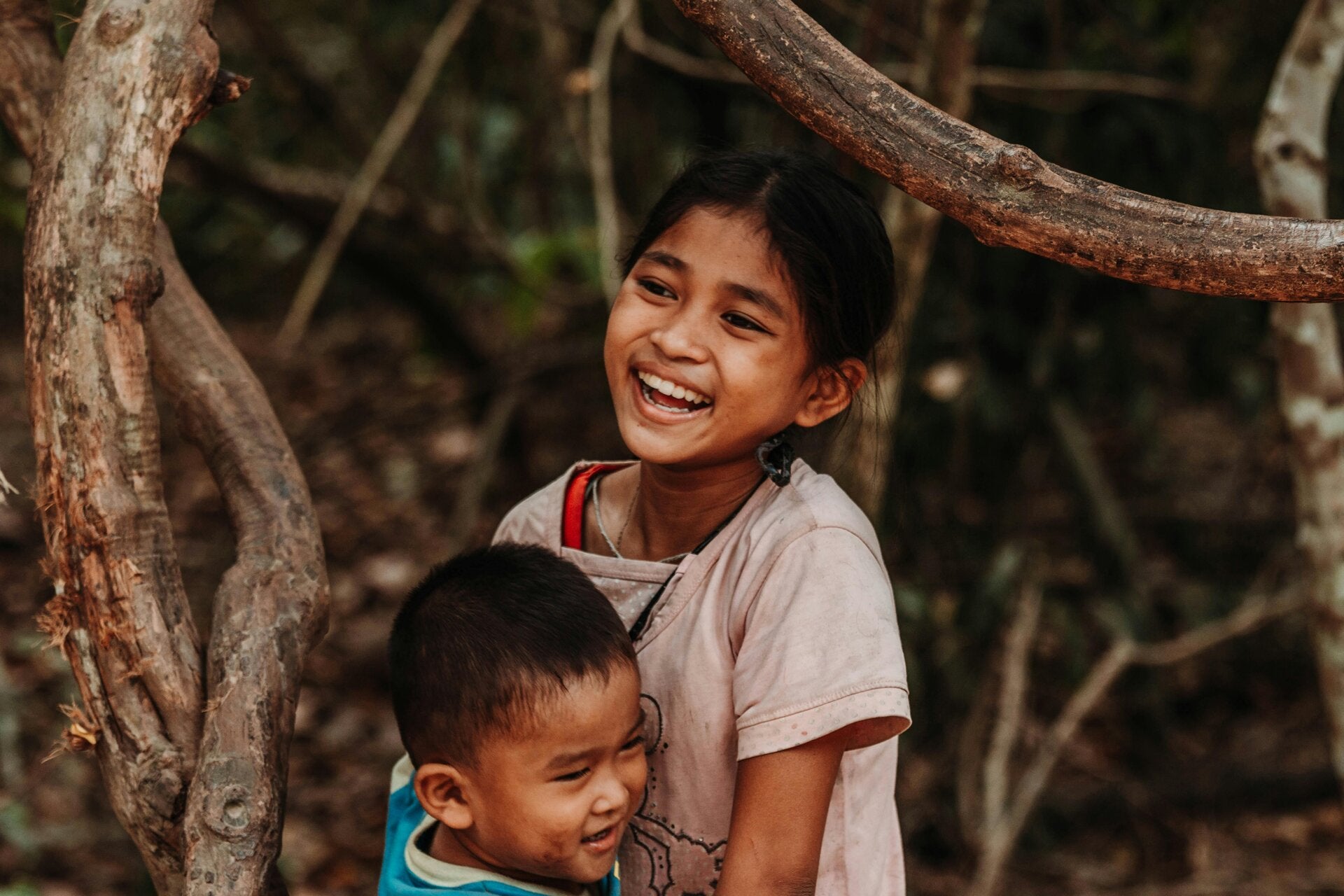
Meet Nadia, age 12
Nadia loved to learn. She wanted to be a nurse. But her family was starving. A local man offered money in exchange for marriage. At 12 years old, Nadia was taken from her home and forced to marry a man five times her age. On her wedding night, she bled so severely that she lost consciousness. There was no doctor and no care. Only silence and shame. She wakes up each morning and stares at the wall. Her childhood is gone.
She says she feels like a ghost.
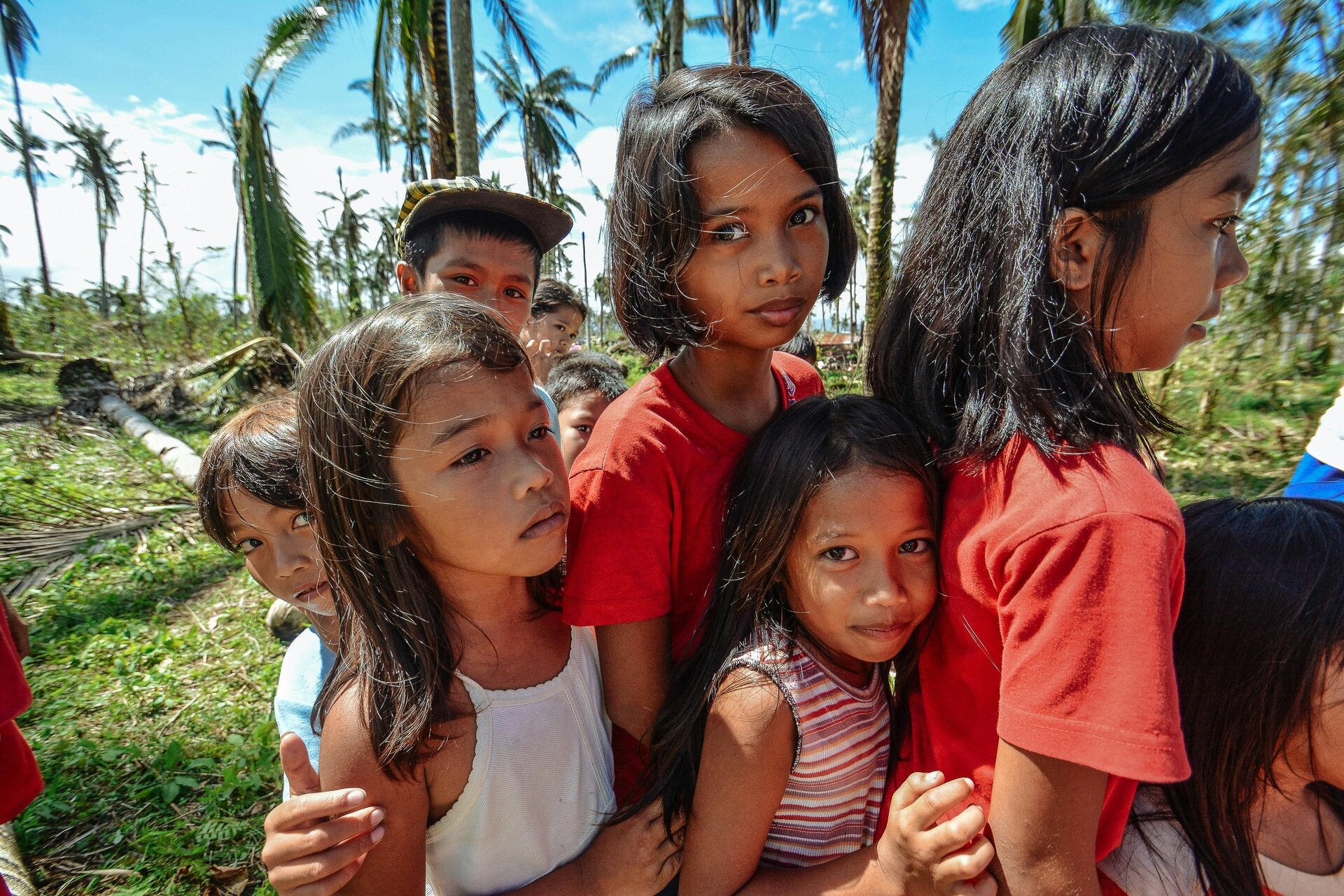
Meet Omo, age 12
Omo lives in a camp for displaced people in northern Ethiopia. She has a heart condition that could be treated with medication that costs less than fifty dollars a month. But there is no clinic, no doctor, and no medicine. So she waits. She knows what is happening. She is smart, painfully smart. She told us, “I do not think I will grow up. I hope my little brother remembers me.”
Can you imagine a 12 year old girl preparing to die while the rest of the world scrolls past her story?
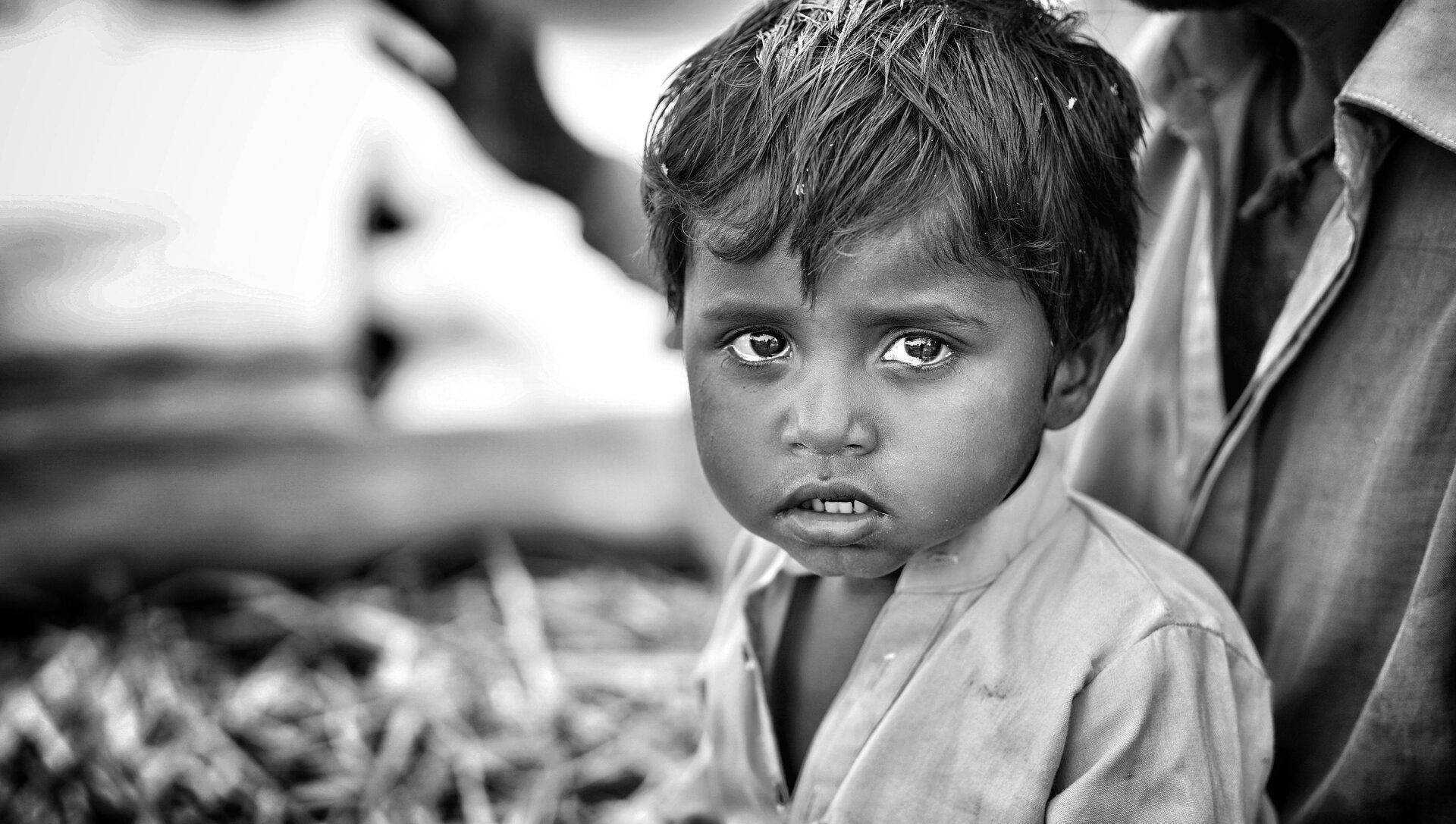
Meet Mustafah, age 3
Mustafah’s parents were fleeing violence. They carried him across deserts and barbed fences. They gave him sips of dirty water from a plastic bag. They sang to him when the sun was too hot to move.
They told him, “We are going somewhere safe.” But Mustafah did not make it. He died in his mother’s arms on the floor of an overcrowded detention center, wrapped in a Mylar blanket, shaking from fever and dehydration. His eyes rolled back. His last word was “Mama.” And then silence.
His mother is still in the facility, refusing to eat, asking to hold his body one more time.
She can not understand how hope became death.
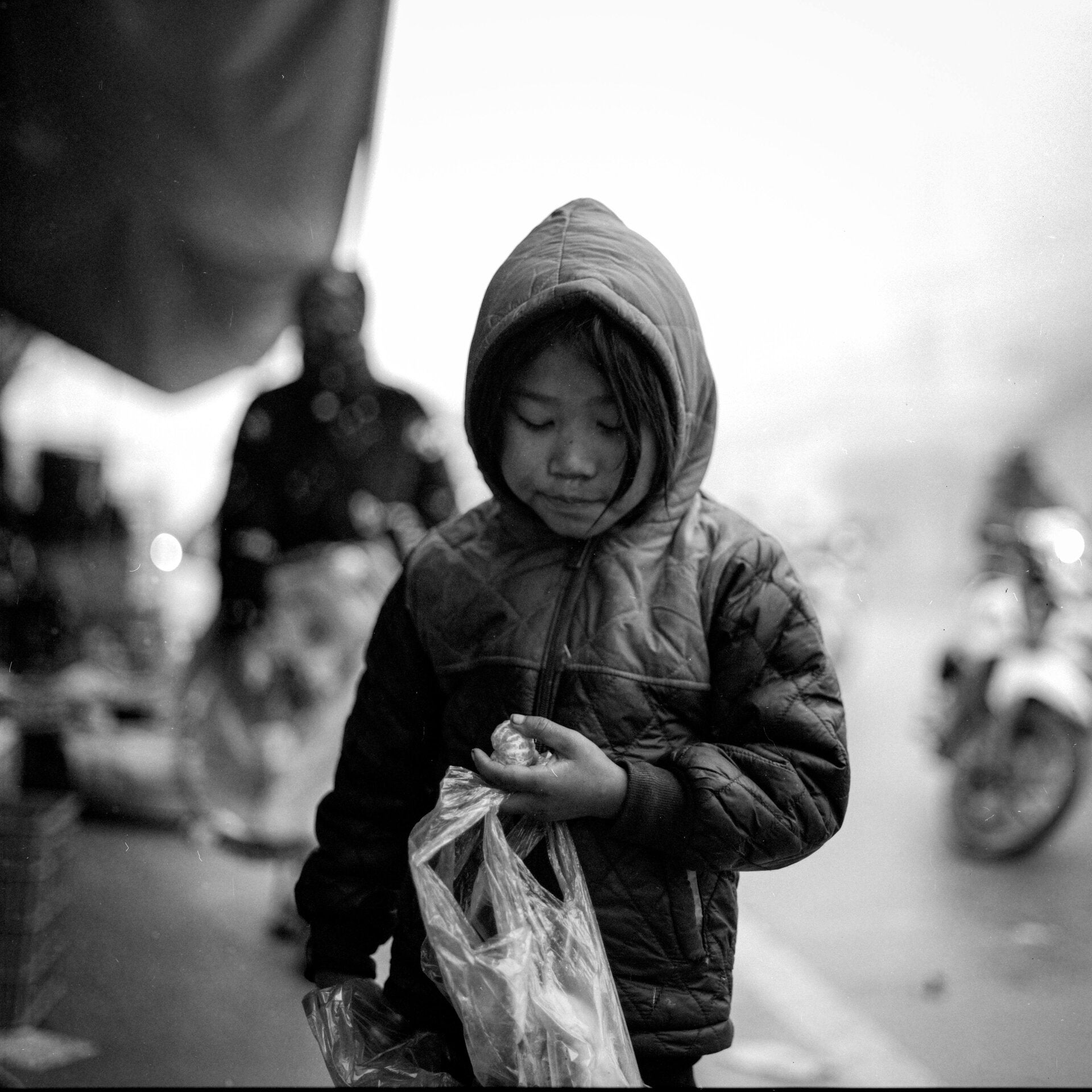
Meet Dia, age 7
Dia lives in a slum outside of Nairobi. Her parents died from AIDS-related illness, and now she survives by selling plastic bottles she finds in trash heaps. She wakes up at five o’clock every day to dig through piles of waste. Sometimes she does not eat for two days.
Sometimes men follow her home. Sometimes she hides in an alley and cries because she misses her mother’s singing. She told a volunteer, “I do not want toys. I want shoes so I do not get cuts on my feet.” Her feet are covered in scars. She is seven. She has never touched a book and has never been to school. She sleeps under a piece of tarp tied between two poles. Now, her body lies under that same piece of tarp, silent and motionless.
They were trying to build a center nearby when Dia passed. With food, classes, and safety. Sadly, they were not fast enough.
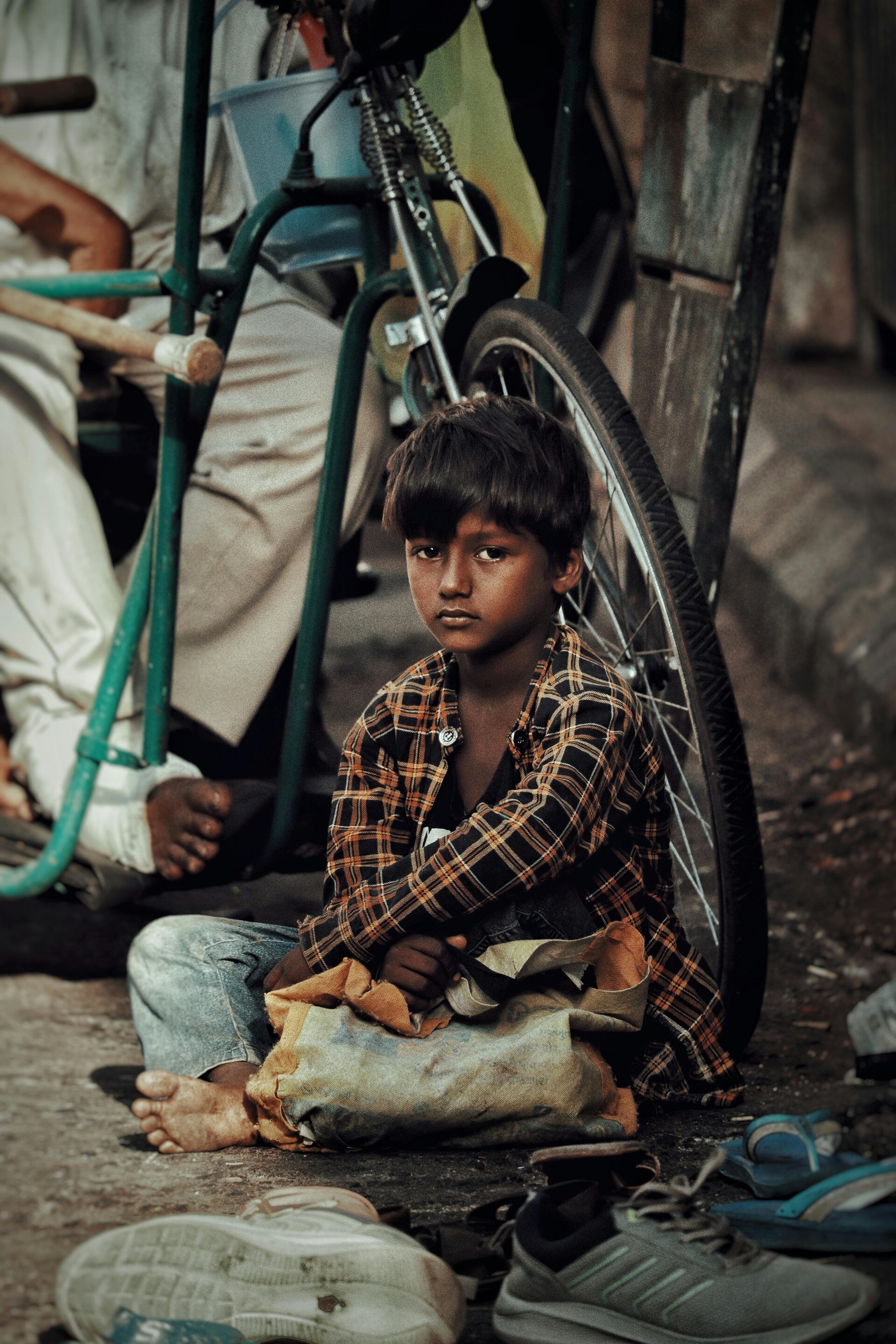
Meet Karim, age 9
He lost his parents to war. His sister was taken. He lives in a tent made of plastic and sticks. He has not been to school in four years.
He asked one of our volunteers, “Why do children like me have to die, but children in other places get to live?”
No one knew what to say. There is no answer that makes sense. No excuse is big enough to cover the truth.
He is dying because not enough people care.
Meet Nikola, age 5
Nikola died in a detention center. He was five years old. He had been separated from his parents at the border. He was scared, sick, and begging to go home. He told the guards that his stomach hurt.
They told him to lie down. He died during the night, locked in a cage. No one noticed for a day. The next morning, his body was zipped into a bag.